

.
This project aimed to address injustices around green infrastructure through community engagement to facilitate the design and adoption of green infrastructure demonstration projects in traditionally underserved, low-income communities in southern Tucson. This area of the city shows less vegetation and trees, and consequently, experiences more heat and flooding. These climate change hazards and stressors put vulnerable communities at a higher risk. To achieve our goals, we explored a variety of engagement strategies, mindful of learning from past experiences in the community.
.
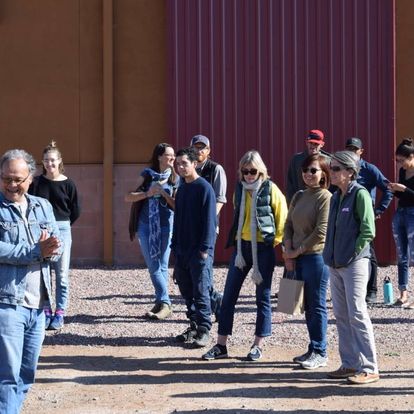
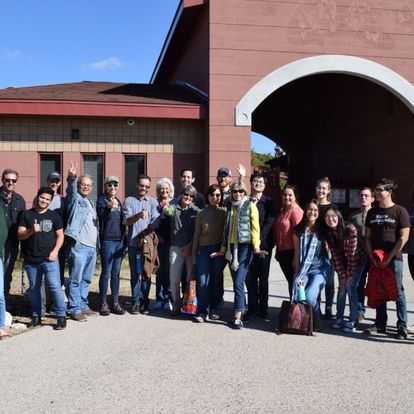
Our research team partnered with the Watershed Management Group, Sonoran Institute, and Tierra y Libertad Organization. One of the engagement efforts centered on the Star Academic High School, where we engaged the school community in the planning, design, and implementation of green infrastructure at the school. Through a robust, participatory process that was responsive to the community’s needs, the research team aimed to address inequities and overcome historic distrust.
.
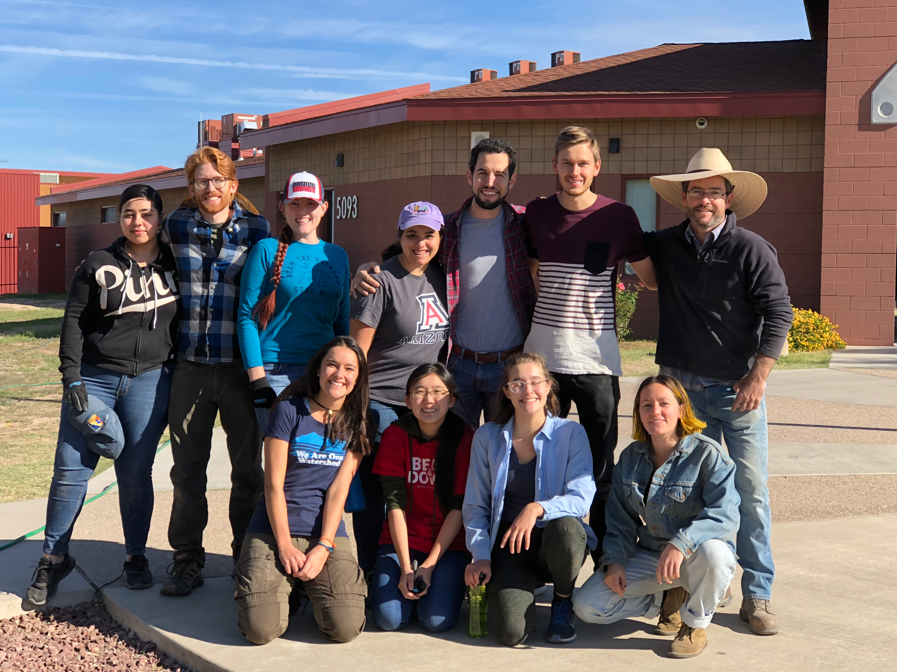
Our team also partnered with Professor of Landscape Architecture Bo Yang, who used the school as the site for his landscape design studio. Master of Landscape Architecture students designed the school landscape using participatory design methods that incorporated the needs and wants of the school community. We also involved university students through internships, graduate research assistantships, and volunteering opportunities. We created a youth-mentoring model where graduate students supervised university students in engagement efforts.
.
The project was funded by the Agnes Nelms Haury Program in Environmental and Social Justice, The UArizona Green Fund, and the College of Architecture, Planning and Landscape Architecture.
More information can be found on the project website, and also here, and recognition for this work here.
 Adriana Zuniga-Teran