


STEM Mentoring Project
Increasing the number of science, technology, engineering, and math (STEM) majors in US universities is a key component to fostering a healthy economy, and advancing global competitiveness. The US’s changing demographics place young people of color at the vanguard of the next generation. A growing concern is the lack of representation of women and minority students in STEM fields. Overall access of underrepresented groups to higher education is a key part of the problem, which involves a constellation of interrelated factors – from poor K-12 schooling and low socioeconomic status to lack of social capital and knowledge about careers, or about navigating college. Further, the low graduation rates of women and minorities in STEM fields enhance gender and racial inequalities because STEM majors earn substantially more than other degrees, have low unemployment rates, lead to more satisfying jobs, and increase support for family members.
While different programs have been implemented to reduce the current gender and racial disparities in shares of the US workforce with STEM degrees, little is known of the role of social capital in the form of intergenerational youth mentoring programs. The purpose of this study is to test an intergenerational youth mentoring model in its ability to inspire disadvantaged middle school students to pursue a STEM major. Engagement in STEM activities in middle school has been found as a positive influencer in directing students to a STEM career.
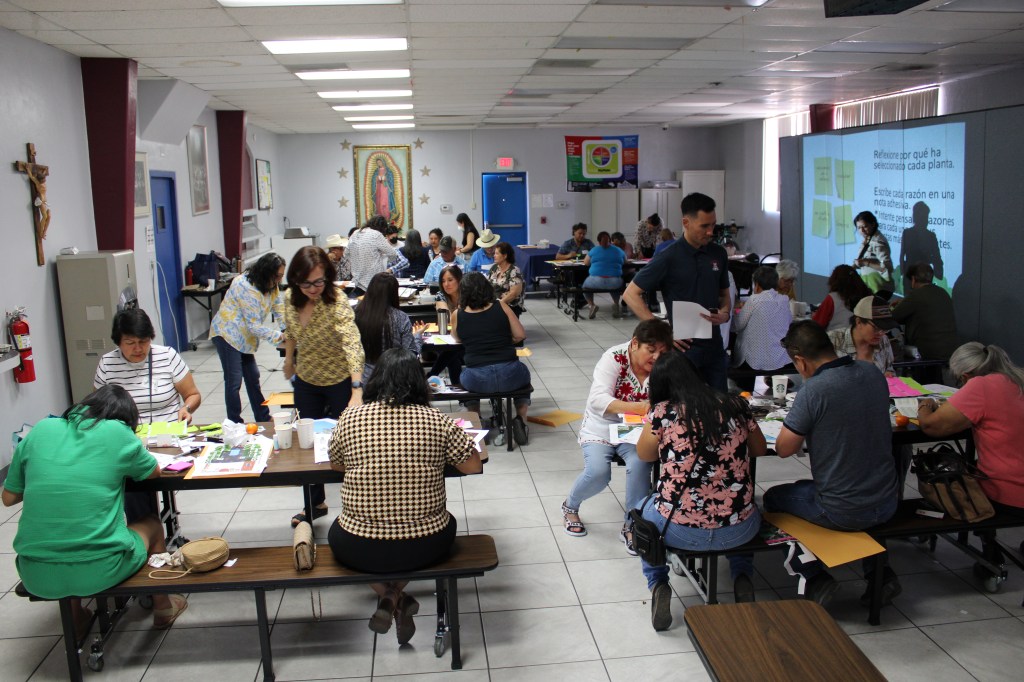
Our team consists of interdisciplinary scholars (human and physical geography, planning, environmental sciences) and community partners including CommunityShare, the Pima County School Superintendent’s Office, and Lauffer Middle School within Sunnyside Unified School District (SUSD), which serves predominantly minority students. 90% of the SUSD student population identifies as Hispanics or Indigenous and about 80% of the students receive free or reduced lunch.
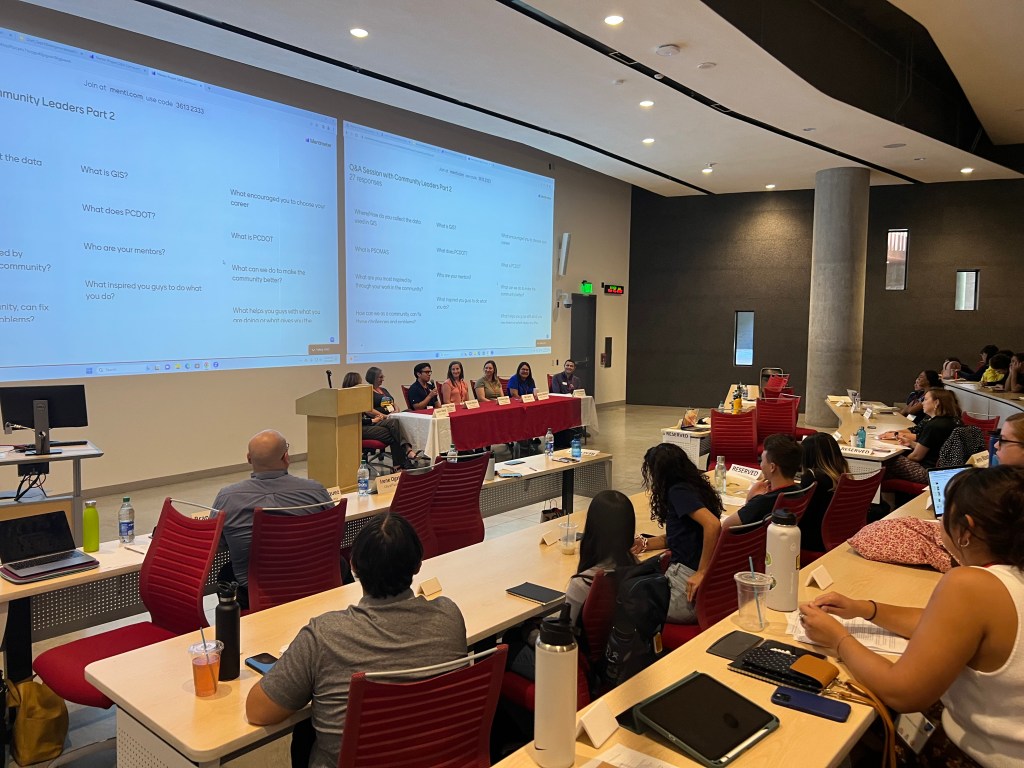
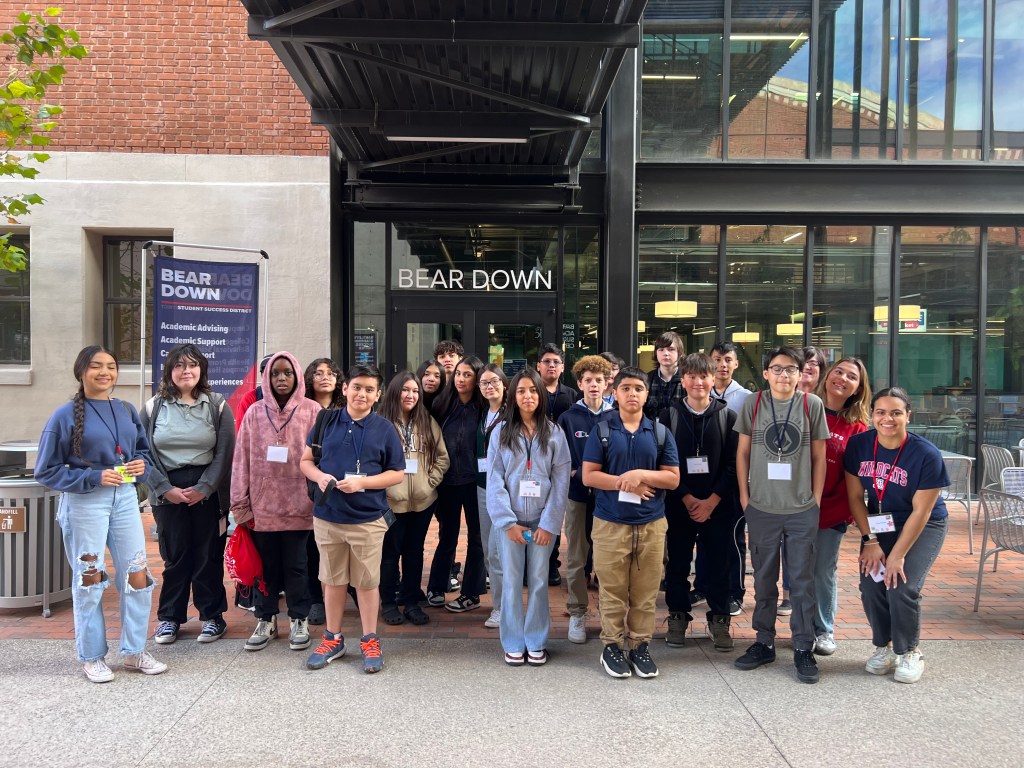
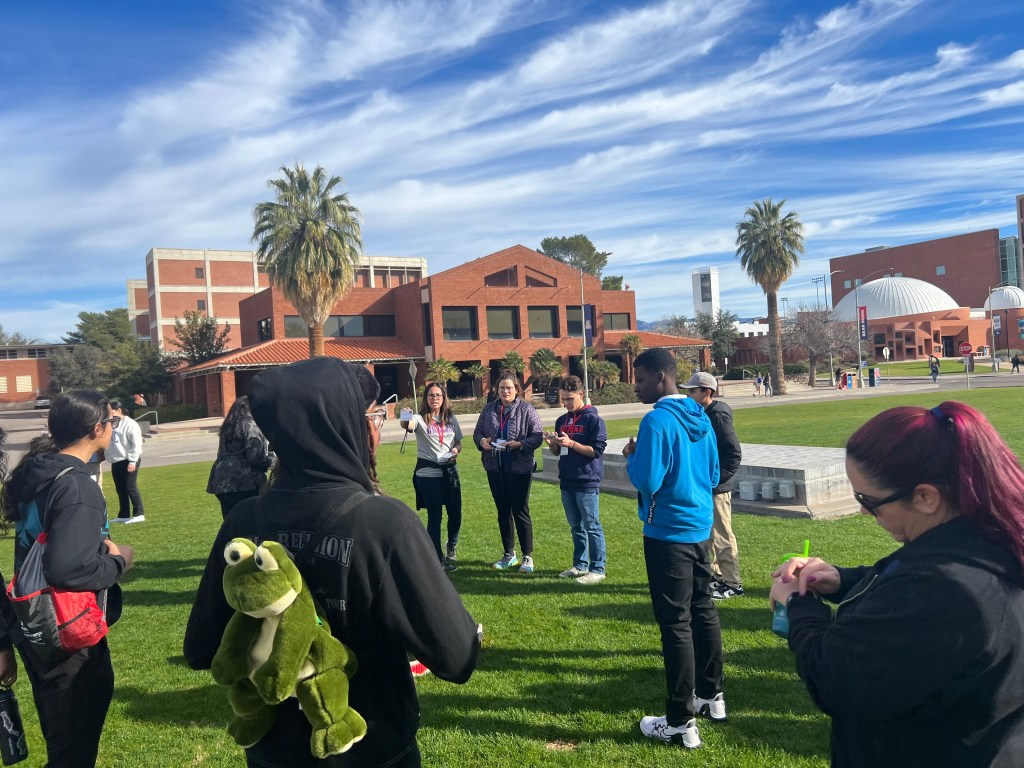
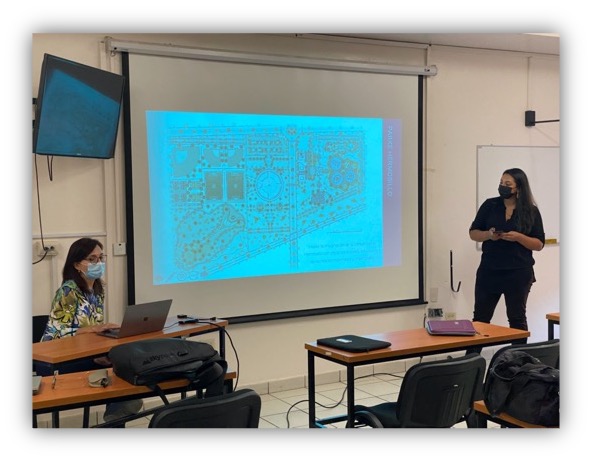
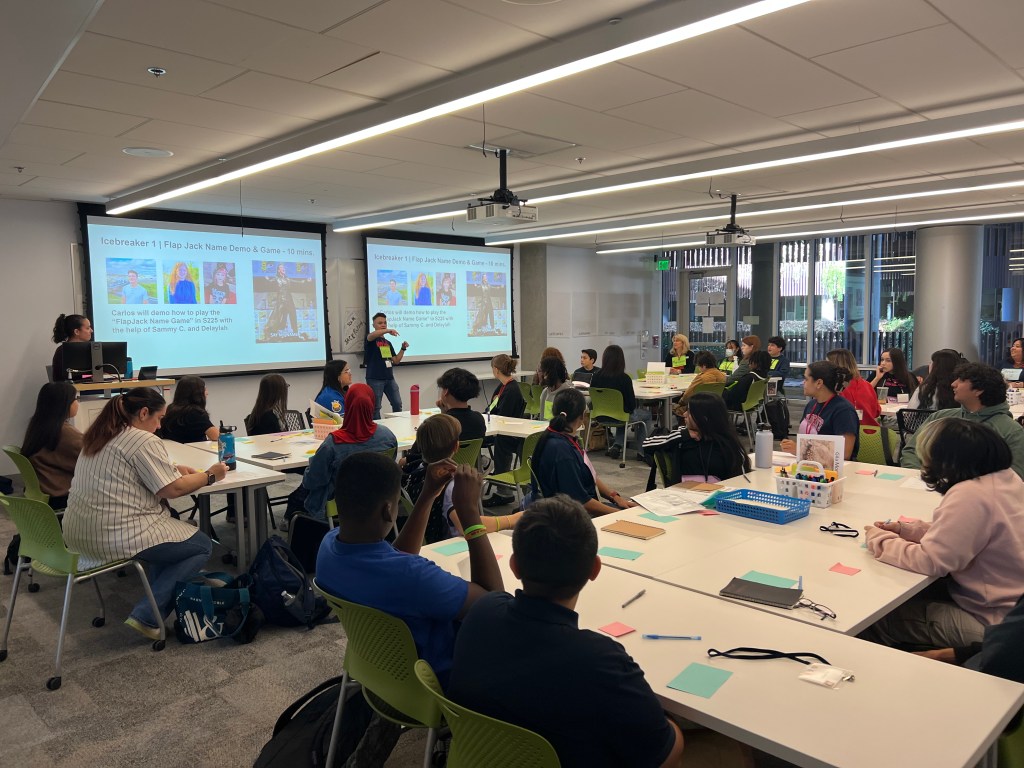
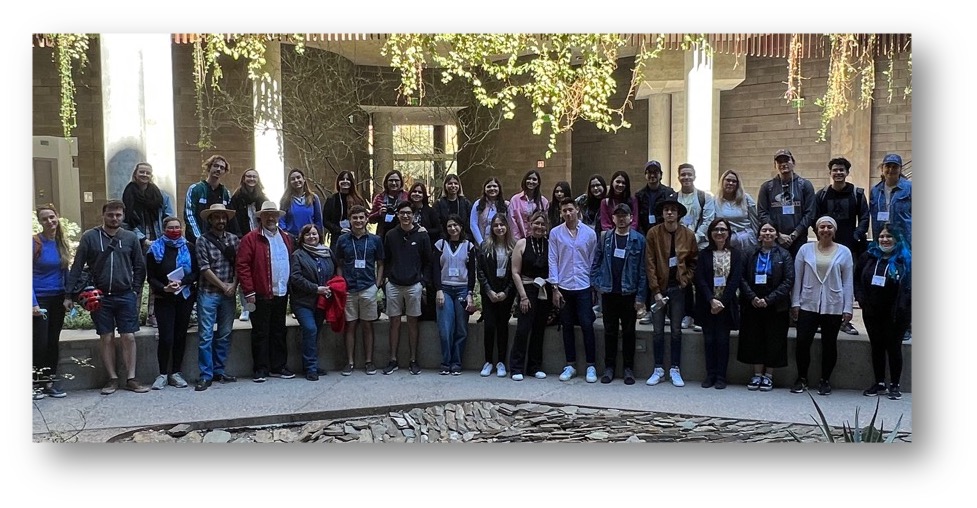
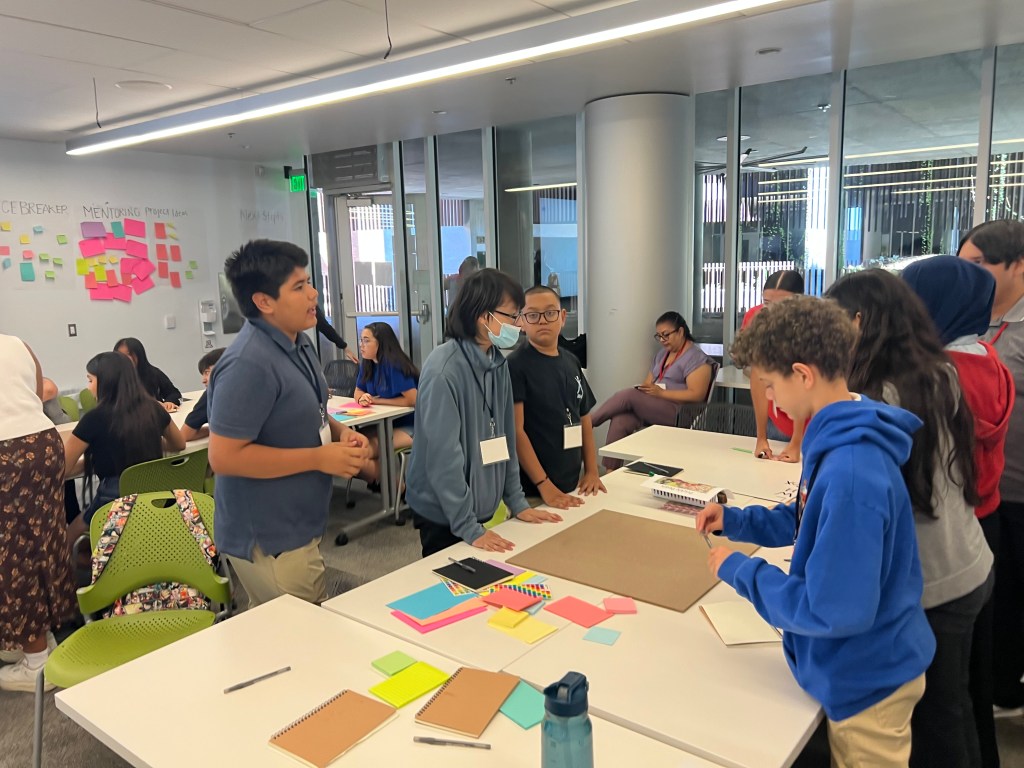
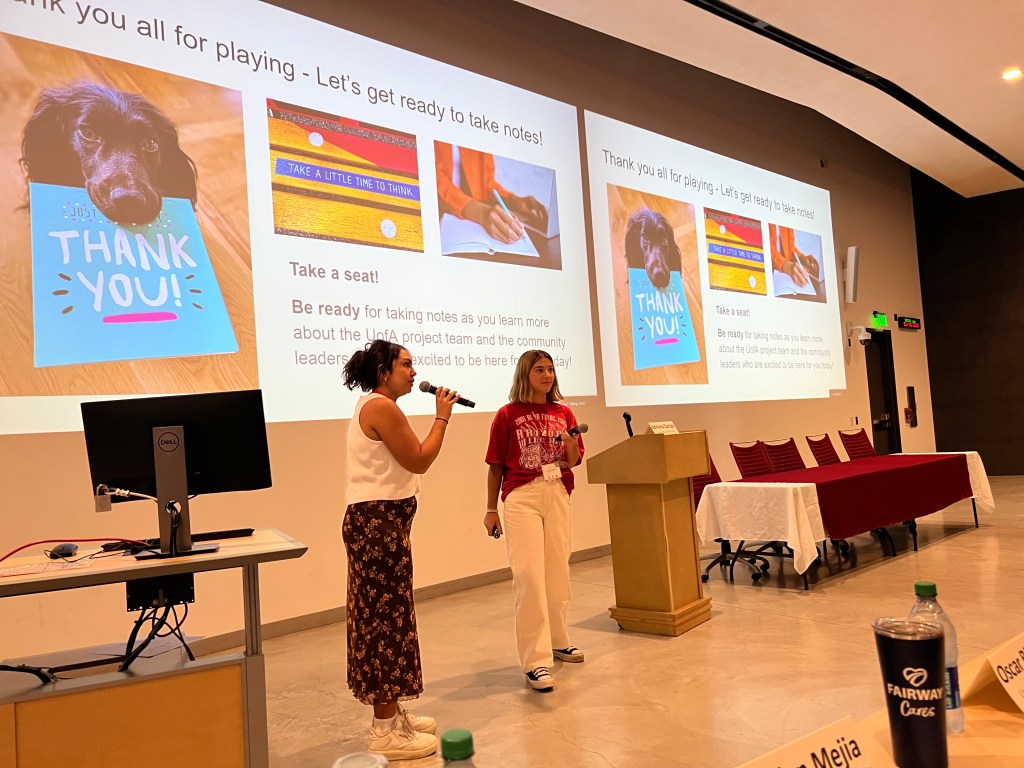
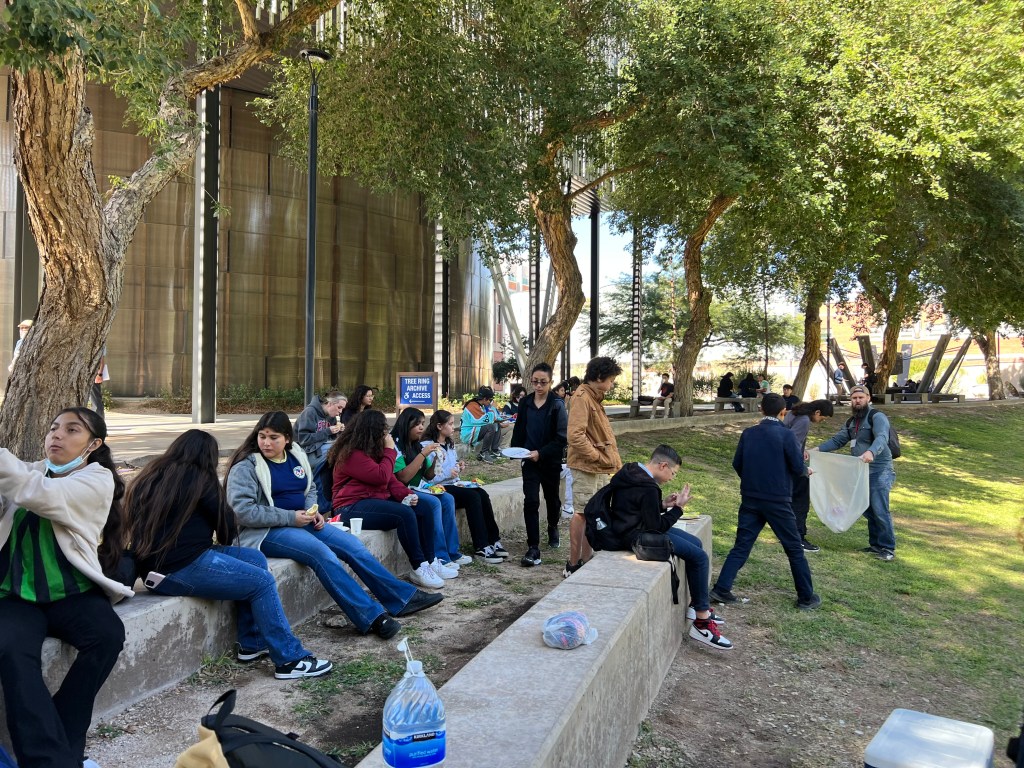
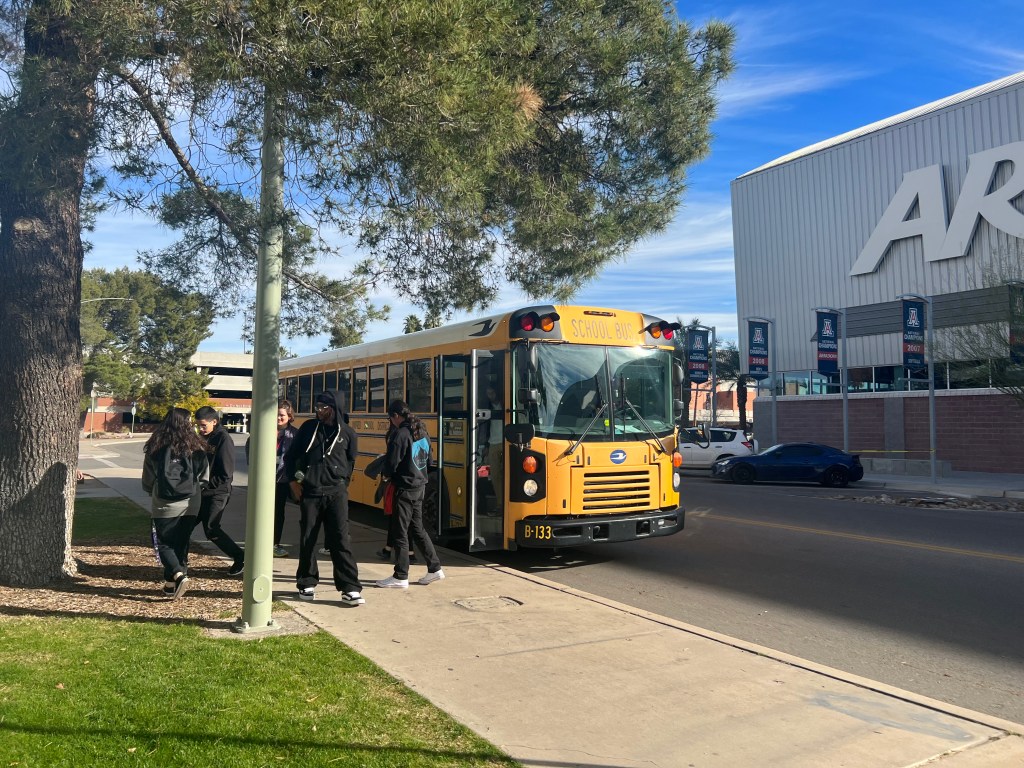
Through geographic-centered training, we mentored university and K-12 students in spatial analysis to assess differences in park quality in Tucson, as well as in basic geographic information systems (GIS), including the development of storymaps. In addition, we engaged community leaders in this project (from local government agencies), who met the students at the beginning of the project (when leaders shared their stories with the students) and will be reviewing the students’ projects at the end. Through this engagement with local leaders, we hope to build minority students’ capacity for activism, something we feel is very important for addressing procedural justice issues in the south side of Tucson. In addition, through four planned campus visits, we aim to help minority students navigate the campus and break barriers to future enrollment. A student project competition marks the closing of this project, with an event scheduled for April 25, 2024. Winners are receiving medals and everyone is celebrating the end of the project with a visit to the zoo.
We hope that through the collection and spatial visualization of data on park quality, the students will have a lived experience of the power of data in telling stories of inequality that affects their quality of life. Through data-informed storytelling, they are presenting their findings to community leaders at the end of the project and show them how the quality of parks differs from one neighborhood to another. This constitutes the basis of data-informed activism, which can help address inequities in the long term.
We expect that this year-long experience will make low-income middle school students feel more comfortable thinking of attending this or another university in the future. From studies we know that this group (low-income Hispanics) is very unlikely to pursue a college education and, through higher education, climb up the social ladder. Therefore, we are hoping to make a difference in this cohort and maybe even change lives. For project evaluation, we are collecting data on their willingness to consider higher education, hoping to see an increase in this indicator. We plan to publish the results in the near future.
The full project title is: “Increasing representation of minority students in STEM fields: The role of an intergenerational youth mentoring model”. It was funded by the Arizona Institute for Resilience’s Annual Resilience Theme Grant, under the theme “Fostering Leaders in Resilience.” Funding support was also provided by the Udall Center for Studies in Public Policy. The project duration is from April 17, 2023, to June 30, 2024
 Adriana Zuniga-Teran